

The Concept of Luck in Gambling
Luck is often perceived as the unpredictable force that significantly influences the outcomes in gambling, particularly within the vibrant atmosphere of casinos. Many players enter these establishments believing that their success is largely dependent on luck, which is inherently subjective. Unlike skill-based games where strategy and knowledge can sway results, games of chance depend heavily on variables beyond the players’ control, including the popular sports betting sites that some players turn to for additional excitement. This enigmatic essence of luck compels us to explore whether it can be accurately quantified or understood within the context of casino games.
In the quest to quantify luck, one can consider various statistical measures such as the odds of winning in different games. For example, slot machines typically feature a Return to Player (RTP) percentage, which indicates the theoretical amount returned to players over time. However, this statistical insight does not encapsulate individual experiences during gameplay. Luck transcends mere numbers; it embodies the emotional and psychological components players associate with their wins and losses, making it a complex aspect to navigate.
Moreover, cognitive biases can shape players’ perceptions of luck, as illustrated by the “gambler’s fallacy,” where individuals mistakenly believe that past outcomes influence future results. This misconception complicates the quantification of luck because players’ beliefs can modify their behavior and strategies, even while the odds remain unchanged. Thus, although statistical models can provide valuable insights into gaming probabilities, the true essence of luck remains elusive and deeply personal, often defying precise measurement.
Mathematical Models and Probabilities
Mathematics plays an indispensable role in deciphering the concept of luck in casino games. Each game is defined by underlying probabilities that dictate the likelihood of various outcomes. For instance, in games such as blackjack or poker, players can employ strategies grounded in probability to enhance their chances of winning. However, even when utilizing optimal strategies, the element of luck continues to loom large, especially when results hinge entirely on chance.
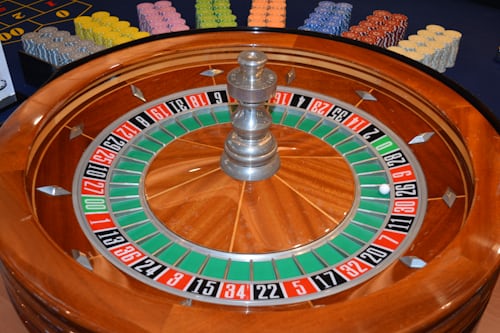
Games like roulette showcase clear probabilities that might appear more straightforward. The odds of landing on a particular number can be precisely calculated, yet the outcomes remain random. This inherent randomness exemplifies the unpredictable nature of luck. Players may attempt to strategize based on previous outcomes or trends at the table, but each spin of the wheel is an independent event, emphasizing that luck cannot be entirely regulated by mathematical analyses.
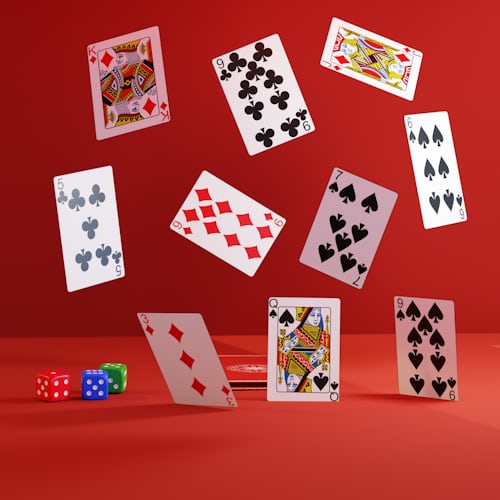
Furthermore, mathematical frameworks can categorize games into distinct types: games of pure chance, games that blend skill and chance, and skill-based games. This classification aids in differentiating how luck influences each category. For example, while slot machines operate solely on luck, poker necessitates a blend of skill and chance, leading to varied perceptions of luck among players. Ultimately, while mathematical models can illuminate probabilities, they cannot wholly encapsulate the multifaceted role that luck plays in the casino experience.
The Role of Psychology in Perception of Luck
The psychological aspects of luck significantly affect how players perceive their chances in casino games. The emotions linked to winning or losing can lead to cognitive biases that shape decision-making. When players experience a streak of good fortune, they may feel invincible, often wagering more than they normally would. Conversely, a series of losses can instill the belief that luck has deserted them, prompting either more conservative gameplay or the urge to chase losses, thus complicating the landscape of luck in casinos.
Moreover, the casino environment itself is designed to amplify the sensation of luck. From the sounds of slot machines to the celebratory atmosphere accompanying wins, players are immersed in a sensory experience that heightens their perception of luck. These psychological factors can foster a sense of personal control over luck, leading players to believe they can influence outcomes through rituals or superstitions, such as wearing lucky attire or selecting specific seats at the table.
This intricate relationship between luck and psychology reveals that while luck may be a quantifiable statistical concept, its real-world implications are deeply intertwined with human emotions and behaviors. Recognizing this dynamic can aid players in managing their expectations and approaching gaming with a balanced mindset, acknowledging that while strategies based on probabilities can be developed, the unpredictable nature of luck will always play a significant role in the overall experience.
Strategies to Manage Luck and Expectations
Given the unpredictable nature of luck, it is essential for players to develop strategies that help manage their expectations in casino environments. Awareness of the odds and an understanding of the inherent risks associated with gambling can empower players to make informed decisions. Establishing personal limits for both time and money is crucial to ensure that the gaming experience remains enjoyable rather than detrimental. Setting a budget and adhering to it is a practical approach that facilitates engagement with luck without leading to excessive losses.
Furthermore, educating oneself about the games being played can provide valuable insights into how luck and skill interact. For instance, being aware of the RTP percentages of slot games can enable players to select games that align with their risk tolerance. In skill-based games, continual learning is vital, as enhancing one’s skills can help mitigate the effects of luck, thereby granting players a greater sense of agency over their gaming experiences.
Ultimately, managing the intersection of luck and expectation allows players to approach casino games with a healthy mindset. By celebrating small victories and recognizing the inherent nature of chance, players can derive more fulfilling experiences from their gaming endeavors, regardless of the outcomes. This balanced perspective cultivates a deeper appreciation for the thrill of gaming, where luck can enhance enjoyment but should not overshadow the core experience.
Exploring More on Casino Games
For those fascinated by the realm of casino games and the intricate relationship between luck and strategy, a multitude of resources exists to expand knowledge and enhance gameplay. Websites that focus on gambling education provide insights into various games, strategies, and responsible gaming practices. These platforms often feature informative articles, detailed tutorials, and community forums where enthusiasts can share experiences and strategies with one another.
Additionally, engaging with the gambling community can lead to a richer understanding of how luck impacts different players. Sharing personal stories about experiences with luck—both favorable and unfavorable—allows for a more nuanced discourse on the subjective nature of luck in casino games. Such interactions can encourage responsible gambling and foster a supportive culture among players, enhancing the overall gaming experience.
As one navigates the alluring world of casino gaming, embracing the unpredictable nature of luck while applying learned strategies can lead to a more enriching experience. Exploring the psychology, mathematics, and community surrounding these games not only provides engaging entertainment but also offers a profound journey into the essence of chance, risk, and, ultimately, luck.